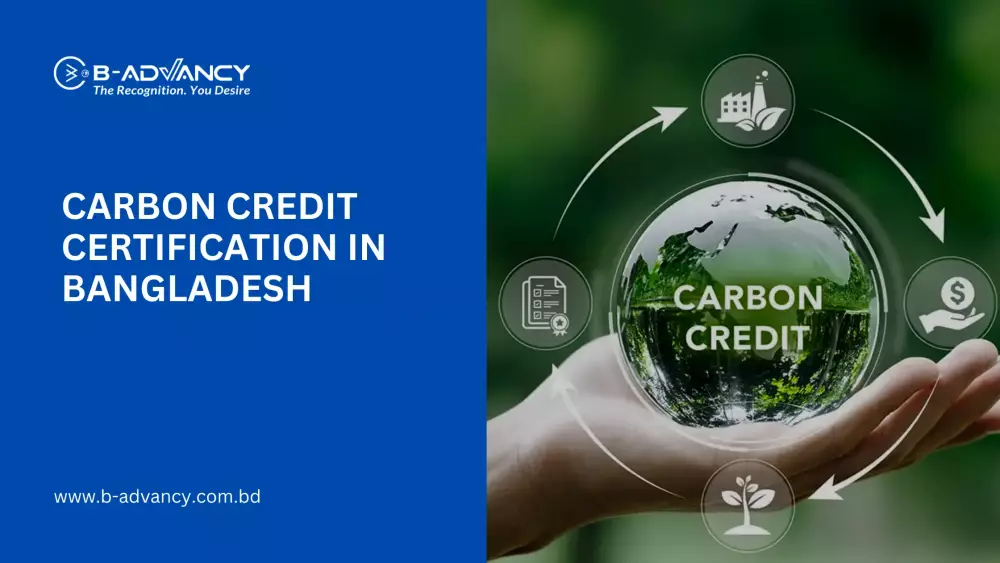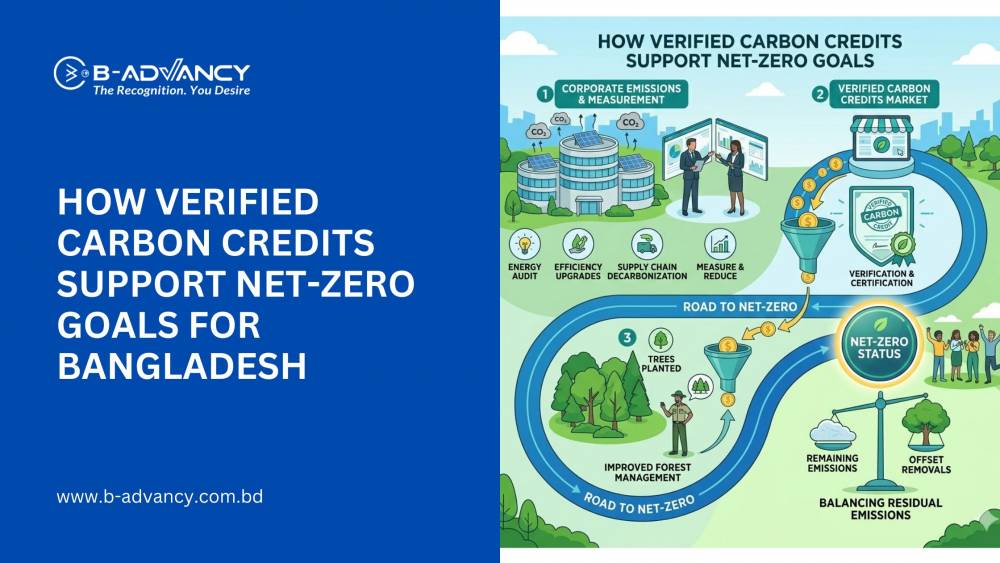
As global climate policies tighten, businesses especially exporters are facing a new reality: carbon is no longer just an environmental issue, it’s a trade issue. One of the most significant developments in this space is the Carbon Border Adjustment Mechanism (CBAM) introduced by the European Union.
For countries like Bangladesh, where exports to Europe are critical, understanding CBAM is essential to remain competitive in international markets.
What is CBAM?
The Carbon Border Adjustment Mechanism (CBAM) is a regulatory framework designed to put a carbon price on imported goods entering the European Union.
In simple terms:
If your product is exported to the EU, you must account for the carbon emissions generated during its production and potentially pay for it.
CBAM ensures that imported goods are subject to the same carbon costs as products manufactured within the EU under the EU Emissions Trading System (EU ETS).
Why CBAM Was Introduced
CBAM is part of the EU’s broader climate strategy under the European Green Deal, which aims to make Europe climate-neutral by 2050.
Key Objectives:
-
Prevent carbon leakage (companies shifting production to countries with weaker climate policies)
-
Ensure fair competition between EU and non-EU producers
-
Encourage global industries to reduce carbon emissions
-
Promote transparency in carbon reporting
How CBAM Works
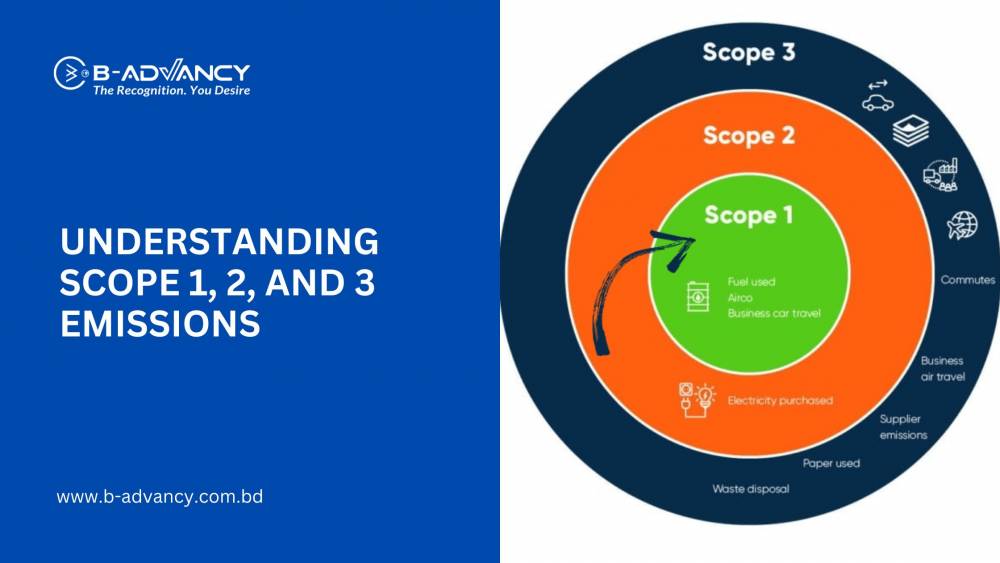
CBAM applies a carbon cost to certain imported goods based on their embedded emissions.
Step-by-Step Process:
-
Emission Calculation
Exporters must measure the carbon emissions generated during production. -
Reporting
Importers in the EU must declare emissions associated with imported goods. -
Carbon Pricing
If the exporting country does not have an equivalent carbon pricing system, importers must purchase CBAM certificates. -
Adjustment Mechanism
If a carbon price is already paid in the country of origin, it may be deducted.
Sectors Covered Under CBAM
Currently, CBAM focuses on high-emission industries:
-
Textile and Garments
-
Cement
-
Iron & Steel
-
Aluminum
-
Fertilizers
-
Electricity
-
Hydrogen
These sectors are considered carbon-intensive and high-risk for carbon leakage.
CBAM Timeline
Transitional Phase (2023–2025)
-
Only reporting is required
-
No financial payments
-
Companies must disclose emissions data
Full Implementation (From 2026)
-
Financial obligations begin
-
Importers must purchase CBAM certificates
-
Strict compliance and verification required
Impact on Bangladeshi Exporters
Bangladesh exports significantly to the EU, particularly in sectors that may gradually come under CBAM or similar regulations.
Key Risks:
-
Increased cost of exports
-
Loss of price competitiveness
-
Compliance complexity
-
Data and reporting challenges
Hidden Challenges:
-
Lack of carbon data tracking systems
-
Limited awareness of emission accounting
-
Dependence on traditional production methods
-
Supply chain transparency issues
What Businesses Need to Do
To prepare for CBAM, organizations must shift from reactive to proactive strategies.
1. Carbon Footprint Assessment
-
Measure emissions across operations
-
Identify high-impact areas
2. GHG Accounting & Reporting
-
Align with international standards like ISO 14064
-
Develop structured reporting mechanisms
3. Supply Chain Transparency
-
Collect emission data from suppliers
-
Ensure traceability
4. Process Optimization
-
Improve energy efficiency
-
Adopt cleaner technologies
5. Compliance Strategy
-
Prepare documentation
-
Align with EU reporting requirements
Role of ESG and Sustainability
CBAM is not just about compliance it is part of a broader shift toward ESG (Environmental, Social, Governance).
Organizations that adopt sustainability early will:
-
Gain competitive advantage
-
Improve brand reputation
-
Access international markets more easily
-
Attract global investors
How B-ADVANCY Can Support
B-ADVANCY Sustainability offers end-to-end support to help organizations navigate CBAM requirements:
Our Services Include:
-
Carbon footprint assessment
-
GHG accounting & reporting
-
CBAM readiness assessment
-
ESG strategy development
-
ISO-based sustainability frameworks
-
Training & awareness programs
We help businesses move from uncertainty to compliance and from compliance to competitiveness.
Conclusion
The Carbon Border Adjustment Mechanism (CBAM) is reshaping global trade by linking carbon emissions directly to market access. For exporters, especially in developing economies like Bangladesh, this is both a challenge and an opportunity.
Organizations that act now by measuring emissions, improving sustainability, and building transparent systems will not only comply with CBAM but also thrive in the future low-carbon economy.
21.jpg)