
For many companies, climate commitments are no longer optional. Buyers, investors, and supply chain partners now expect businesses to show how they will reduce emissions in a measurable and credible way. That is why consulting services for SBTi target setting and validation in Bangladesh are becoming more important for manufacturers, exporters, and growing organizations that want to stay competitive.
The challenge is simple to understand but difficult to manage. A company may want to set a science-based target, but the actual process involves emissions data, boundary setting, scope classification, target methodology, internal alignment, and formal validation requirements. Without the right support, businesses often lose time, build weak assumptions, or submit targets that need major revision.
This is where structured consulting support adds value. Instead of treating climate target setting as a paperwork exercise, the right approach turns it into a practical roadmap for business improvement, buyer confidence, and long-term sustainability.
What SBTi means for businesses
The Science Based Targets initiative, widely known as SBTi, helps companies set greenhouse gas reduction targets that align with climate science. In simple terms, it gives businesses a framework to reduce emissions in a way that supports global climate goals rather than relying on vague promises.
For companies in Bangladesh, this matters because international markets are changing fast. Global brands want suppliers that can measure emissions, manage climate risk, and show progress with credible targets. A business that cannot respond clearly may face pressure in tenders, audits, customer reviews, or sustainability disclosures.
SBTi helps solve that credibility problem. A validated target tells stakeholders that the company’s emissions reduction commitment follows recognized methodology and is not just a marketing statement.
Why demand is growing in Bangladesh
Bangladesh has a strong base of export-driven industries, especially in manufacturing and supply chains linked to global brands. These businesses are under increasing pressure to improve environmental performance while maintaining cost efficiency and delivery standards.
That creates a new type of management challenge. Companies are no longer being asked only about product quality and social compliance. They are also being asked about carbon footprint, renewable energy plans, supplier emissions, and long-term decarbonization strategy.
This shift is especially relevant for businesses in sectors such as garments, textiles, footwear, pharmaceuticals, food processing, packaging, logistics, and light manufacturing. Many of these organizations already collect some environmental data, but that does not mean they are ready for science-based target setting. The data may be incomplete, spread across departments, or not structured in a way that supports validation.
As a result, many companies need expert guidance to move from scattered information to a clear and defensible target.
Why companies struggle with SBTi target setting
Most businesses do not fail because they lack commitment. They struggle because the process is more technical than expected.
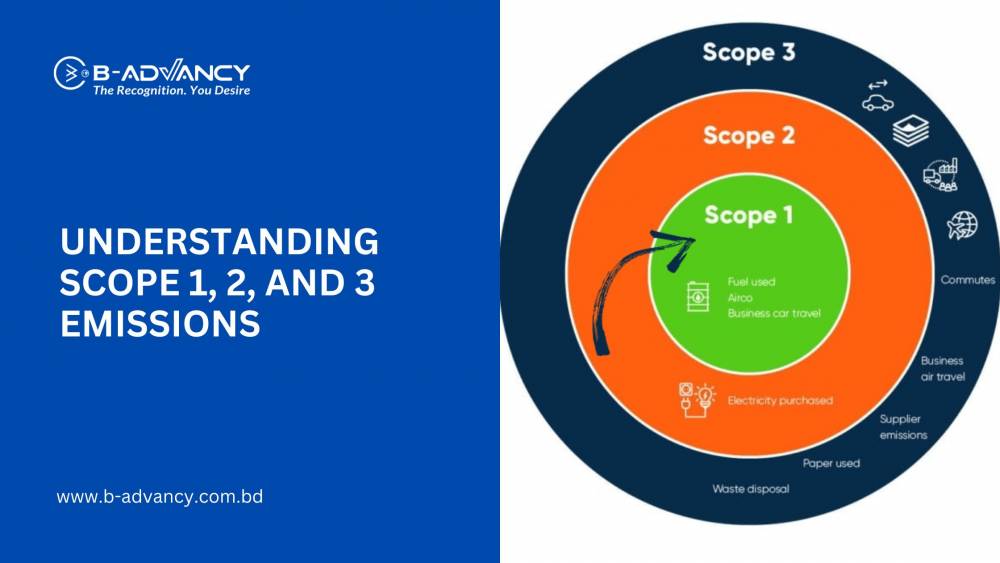
The first issue is emissions data. Many companies can identify fuel use and electricity consumption, but they have difficulty building a full greenhouse gas inventory. Direct emissions, purchased electricity, transport, raw materials, waste, and other value chain activities all need attention.
The second issue is scope 3 emissions. This is often the most difficult part because it goes beyond internal facilities. A company may need to examine suppliers, purchased goods, logistics, business travel, or downstream impacts. For businesses with complex supply chains, this can quickly become a major task.
The third issue is methodology. A target must be based on the correct approach, realistic assumptions, and proper organizational boundaries. If the base year is weak or the target logic is not aligned, the company may need to redo the work later.
The fourth issue is internal ownership. Sustainability teams may lead the project, but finance, operations, engineering, procurement, and top management all need to be involved. If responsibilities are unclear, the project slows down.
What consulting services for SBTi target setting and validation in Bangladesh should include
Good consulting support should cover more than target calculations. It should guide a company from early readiness to submission and implementation.
Readiness assessment
A readiness assessment helps the company understand where it stands before starting the target-setting journey. This step checks data availability, operational boundaries, likely emissions hotspots, internal responsibilities, and the level of effort needed for a complete submission.
This is important because it prevents unrealistic timelines and weak planning. It also gives management a realistic picture of the work ahead.
Greenhouse gas inventory preparation
A strong target starts with a reliable emissions baseline. Consulting support should help collect, organize, and verify the data needed to calculate greenhouse gas emissions across relevant scopes.
This stage often includes utility data review, fuel records, production information, logistics inputs, and supplier-related data where needed. It also requires documentation. If assumptions are used, they should be clear, reasonable, and traceable.
Target development
Once the emissions baseline is ready, the next step is developing the actual target. This is where the business translates climate ambition into a measurable commitment.
The target must reflect the company’s emissions profile, operational reality, and long-term strategy. A good consultant helps the business understand what the target means in practice. It should not be something that looks good in a report but cannot be implemented on the ground.
Validation support
Validation is where many companies need the most help. Submission errors, unclear assumptions, inconsistent boundaries, or poor documentation can delay the process and create unnecessary frustration.
Consulting support should help prepare the submission package, review calculations, organize supporting documents, and address likely questions before submission. The goal is to make the process smoother and reduce the risk of avoidable setbacks.
Implementation roadmap
A validated target is not the end of the journey. It is the start of a longer operational program. Businesses need a roadmap for emissions reduction actions, internal monitoring, accountability, and reporting.
That roadmap may include energy efficiency measures, process upgrades, renewable electricity planning, supplier engagement, logistics improvements, training, and management review. Without this step, a target remains a public commitment with no practical engine behind it.
The business value goes beyond compliance
Many companies begin the SBTi process because a customer asks for it. That is a common starting point, but the real value is broader.
A well-managed target-setting process helps a company understand where emissions come from, where resources are being wasted, and where improvement efforts will have the strongest impact. It also helps management connect climate goals with business planning.
This creates several benefits.
First, it improves credibility with buyers and international stakeholders. Second, it strengthens sustainability reporting and ESG communication. Third, it supports better decision-making around energy, procurement, and operations. Fourth, it reduces the risk of making climate claims that cannot be supported later.
In short, target setting is not just about approval. It is about creating a practical structure for long-term improvement.
Why local consulting support matters in Bangladesh
The SBTi framework is global, but implementation happens inside real factories, offices, warehouses, and supply chains. That is why local context matters.
Companies in Bangladesh often deal with issues such as inconsistent records across facilities, changing production volumes, backup power reliance, limited supplier data, and internal teams that are already stretched with compliance and operational work. A consultant who understands these realities can help build a plan that works in practice, not just in theory.
Local support also helps with communication. Management teams need clear explanations, not just technical language. Plant teams need simple data requirements. Sustainability leads need timelines that fit real workloads. Good consulting bridges these gaps and keeps the project moving.
What to look for in an SBTi consulting partner
When choosing consulting services for SBTi target setting and validation in Bangladesh, companies should focus on capability, structure, and practicality.
A strong partner should be able to organize emissions data, explain target-setting requirements clearly, identify likely challenges early, and support the business through validation readiness. The work should feel structured, transparent, and business-focused.
What matters most is not a promise of easy approval. What matters is whether the consultant can help the company build a target that is credible, well-documented, and realistic to implement.
That is the difference between a rushed submission and a useful climate strategy.
The pressure to act on emissions is increasing, and businesses that respond early will be in a stronger position. Consulting services for SBTi target setting and validation in Bangladesh help companies turn climate expectations into a clear, structured, and credible program. With the right support, businesses can build a reliable emissions baseline, develop science-based targets, prepare for validation, and create a realistic path for implementation.
If your organization is planning to move forward with SBTi target setting and validation in Bangladesh, contact B-ADVANCY Certification Limited for professional support.
Email: bangladesh@b-advancy.com
Call / WhatsApp: +8801612264559
21.jpg)