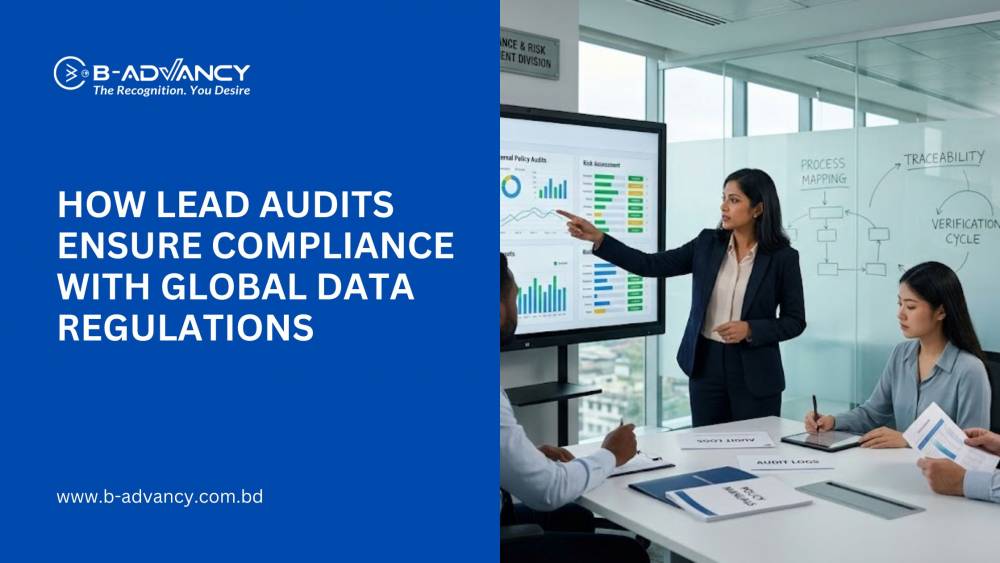
In today’s interconnected world, data is one of the most valuable assets for any organization. From customer information to internal business data, protecting sensitive information is essential. With increasing cyber threats, regulatory scrutiny, and global standards such as GDPR, HIPAA, and ISO 27001, organizations must implement robust systems to manage and safeguard their data. One of the most effective strategies to ensure compliance is through ISO lead audits.
Lead audits not only assess compliance but also provide a structured approach to identify risks, strengthen data security, and maintain trust with clients and stakeholders.
Understanding Lead Audits in Data Management
A lead audit is a systematic, comprehensive evaluation of an organization’s management system conducted by a certified ISO Lead Auditor. For data protection and information security, lead audits are typically based on standards like ISO 27001:2022 (Information Security Management Systems – ISMS).
The purpose of a lead audit is to:
-
Evaluate whether policies, processes, and systems comply with regulatory requirements
-
Identify gaps and areas for improvement
-
Recommend corrective actions to mitigate risks
-
Ensure continuous improvement in managing information security
Lead audits provide organizations with assurance that they are not only compliant but also proactively managing data risks.
The Role of Lead Audits in Regulatory Compliance
Global data regulations set strict guidelines for handling, storing, and protecting personal and sensitive data. Non-compliance can lead to heavy fines, reputational damage, and loss of customer trust. Lead audits play a pivotal role in helping organizations meet these obligations.
1. Verifying Compliance with International Standards
Lead auditors assess whether the organization’s Information Security Management System (ISMS) aligns with ISO 27001 requirements and relevant regulations such as GDPR, HIPAA, or local data protection laws. Audits examine policies, access controls, data storage practices, and incident response procedures, ensuring that all regulatory obligations are met.
2. Identifying Risks and Vulnerabilities
Lead audits systematically evaluate IT infrastructure, data handling processes, and employee practices to identify potential vulnerabilities. By uncovering gaps such as weak access controls, inadequate encryption, or inconsistent data handling, organizations can take corrective action before a breach or compliance violation occurs.
3. Ensuring Proper Documentation and Reporting
Global regulations require organizations to maintain detailed records of data processing activities, security incidents, and compliance measures. Lead auditors review documentation and reporting practices to confirm they are complete, accurate, and up-to-date. Proper documentation is not only essential for audits but also demonstrates accountability to regulators and clients.
4. Promoting a Culture of Accountability and Security Awareness
Lead audits engage management and staff in the compliance process. Employees are educated on their responsibilities, policies, and best practices for protecting sensitive data. This engagement fosters a culture of accountability, where data security and compliance become integral to daily operations.
5. Supporting Continuous Improvement
ISO lead audits are not a one-time activity. They focus on continuous monitoring, evaluation, and enhancement of data security practices. Recommendations from audits guide organizations in implementing more robust controls, updating policies, and improving overall ISMS effectiveness, ensuring long-term compliance and resilience against emerging cyber threats.
Business Benefits of Lead Audits for Data Compliance
Investing in lead audits and auditor training provides multiple advantages for organizations:
-
Reduced Risk of Regulatory Penalties: Audits help organizations proactively address compliance gaps, reducing the risk of fines and legal issues.
-
Enhanced Customer Trust: Demonstrating compliance with international standards reassures customers that their data is protected.
-
Operational Efficiency: Identifying weaknesses and optimizing processes improves overall IT and data management efficiency.
-
Competitive Advantage: Certified auditors and robust compliance systems can differentiate organizations in highly regulated markets.
Why ISO Lead Auditor Training Matters
The effectiveness of lead audits depends on the competence of the auditor. ISO 27001 Lead Auditor training equips professionals with skills in audit planning, execution, risk assessment, and reporting. Trained auditors can objectively evaluate compliance, recommend improvements, and ensure that organizations maintain alignment with global data regulations.
Why Choose B-ADVANCY Certification Limited
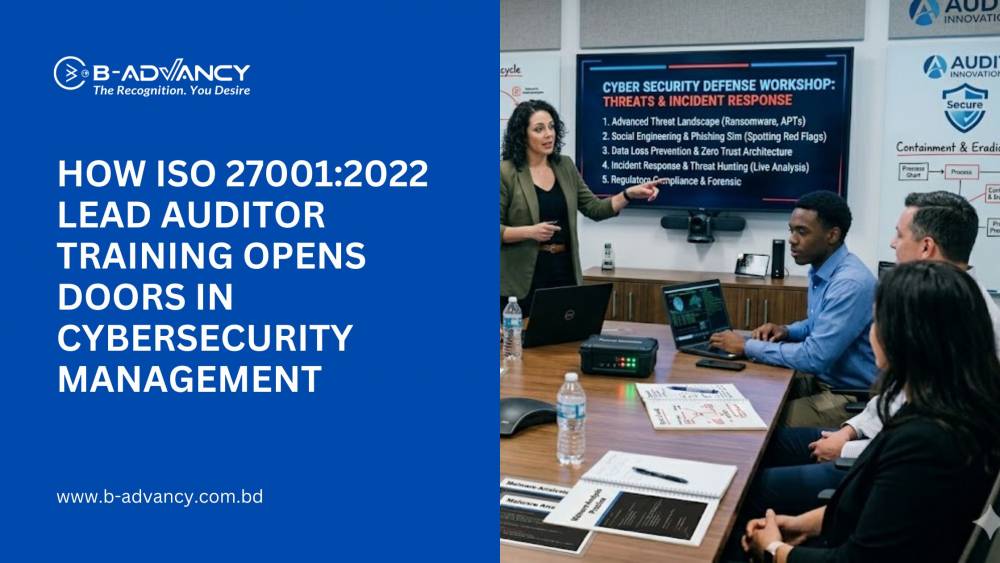
At B-ADVANCY Certification Limited, we provide specialized ISO 27001 Lead Auditor training designed for IT professionals, cybersecurity experts, and auditors. Our courses combine theoretical knowledge with practical exercises, including real-world audit simulations. Participants gain the confidence and expertise to conduct audits that ensure compliance with global data regulations and strengthen organizational information security.
Contact us today to enroll in ISO 27001 Lead Auditor training and take the first step toward safeguarding your organization’s data and achieving regulatory compliance.
Conclusion
Lead audits are a critical tool for organizations striving to meet global data regulations and maintain robust information security practices. By verifying compliance, identifying risks, improving documentation, and fostering a culture of accountability, lead audits ensure organizations are prepared for regulatory scrutiny and cyber threats.
Investing in ISO 27001 Lead Auditor training with B-ADVANCY Certification Limited equips professionals with the skills needed to conduct effective audits, mitigate risks, and protect sensitive data—positioning organizations for compliance, security, and long-term success.
Enroll today and strengthen your organization’s data protection and compliance capabilities!
21.jpg)