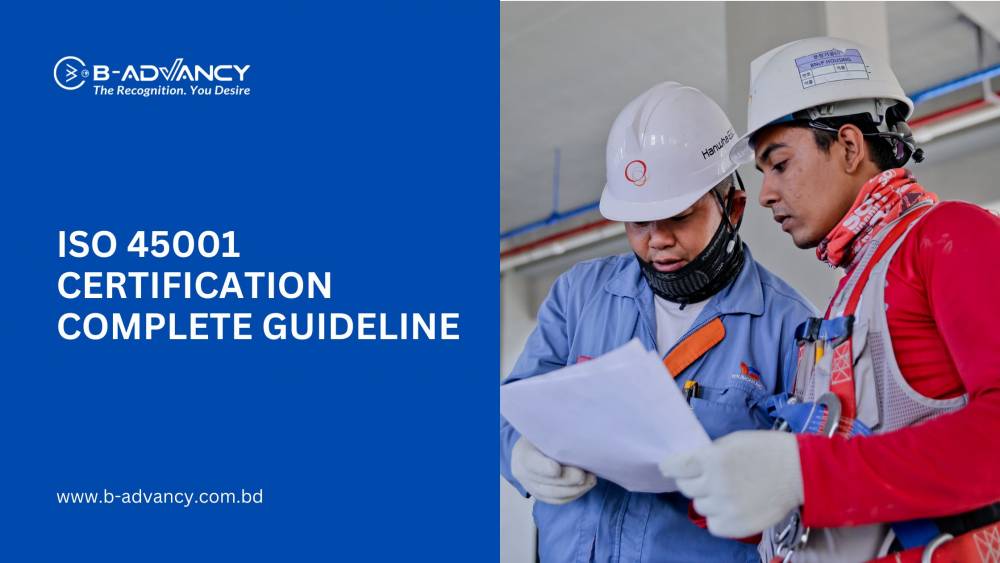
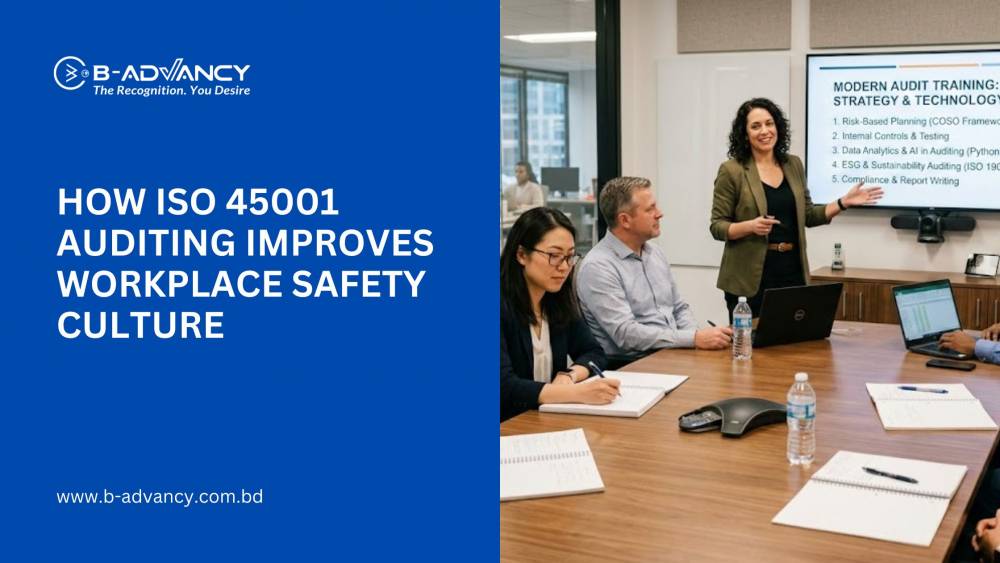
Workplace safety is no longer just a regulatory requirement; it’s a critical component of organizational success. Businesses that prioritize safety not only protect their employees but also improve productivity, reduce costs associated with accidents, and enhance their overall reputation. One of the most effective ways to embed a strong safety culture is through ISO 45001:2018 auditing, a globally recognized standard for Occupational Health and Safety Management Systems (OHSMS).
Understanding ISO 45001:2018
ISO 45001:2018 provides a framework for organizations to proactively improve workplace safety, reduce risks, and create safer work environments. Unlike previous occupational health and safety standards, ISO 45001 focuses on preventive measures, employee participation, and continuous improvement. Organizations implementing this standard demonstrate their commitment to safety leadership, risk management, and compliance with legal requirements.
Auditing ISO 45001 involves systematic evaluation of an organization’s OHSMS processes, policies, and practices to ensure they align with the standard’s requirements. The process helps uncover gaps, mitigate risks, and foster a proactive safety culture.
Strengthening Safety Culture Through ISO 45001 Audits
A workplace safety culture is more than just compliance—it’s about shared values, beliefs, and behaviors that prioritize safety at all levels of an organization. ISO 45001 audits play a pivotal role in cultivating this culture. Here’s how:
1. Promotes Leadership Commitment
ISO 45001 requires active involvement from top management in safety initiatives. Audits assess whether leadership is effectively driving safety policies, allocating resources, and engaging with employees on health and safety issues. When employees see leaders committed to their well-being, safety becomes a shared responsibility rather than a mere obligation.
2. Enhances Employee Engagement
Employee participation is a cornerstone of ISO 45001. Audits evaluate the effectiveness of mechanisms like safety committees, feedback channels, and training programs. By involving employees in risk assessments and decision-making, organizations encourage a culture where staff feel empowered to report hazards, suggest improvements, and actively contribute to a safer workplace.
3. Identifies Risks and Preventive Measures
ISO 45001 auditing systematically identifies potential hazards, evaluates risks, and verifies the implementation of preventive controls. Regular audits help organizations detect unsafe practices, machinery risks, or procedural gaps before accidents occur. This proactive approach reduces incidents and demonstrates that safety is a top priority.
4. Encourages Continuous Improvement
One of the fundamental principles of ISO 45001 is continuous improvement. Audits highlight areas where safety performance can be enhanced, whether through better training, updated policies, or advanced safety equipment. Over time, these incremental improvements build a resilient safety culture embedded in daily operations.
5. Integrates Safety into Organizational Processes
ISO 45001 audits ensure that safety considerations are integrated into all business processes—from procurement and production to logistics and human resources. This holistic approach ensures that safety is not an afterthought but a core component of organizational strategy, making it easier to maintain compliance and high safety standards.
6. Boosts Organizational Reputation
Organizations that successfully implement ISO 45001 and undergo regular audits send a clear message to stakeholders—clients, investors, and employees—that safety is taken seriously. A strong safety culture reduces workplace accidents, minimizes legal risks, and strengthens brand trust.
The Role of Training in ISO 45001 Auditing
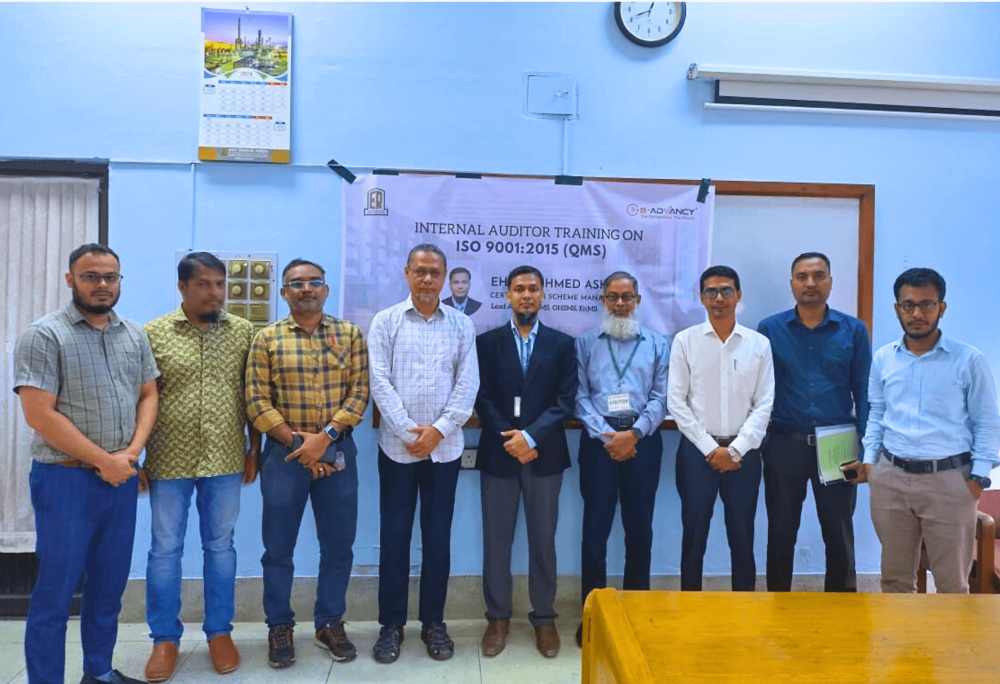
While implementing ISO 45001 is essential, the effectiveness of audits heavily depends on skilled professionals. Lead auditors and internal auditors trained in ISO 45001 bring expertise in identifying risks, evaluating processes, and providing actionable recommendations. Proper training ensures that audits are conducted objectively, consistently, and in alignment with international best practices.
Why Choose B-ADVANCY Certification Limited
At B-ADVANCY Certification Limited, we specialize in comprehensive ISO 45001 Lead Auditor and Internal Auditor training programs. Our courses are designed to equip professionals with practical skills to conduct audits, manage safety systems effectively, and drive workplace safety culture. Participants gain hands-on experience, understanding of ISO 45001 clauses, and insight into integrating safety with overall business objectives.
Contact us today to enroll in our ISO 45001 auditing courses and take the first step toward enhancing your organization’s safety culture. Our team is ready to provide guidance on course selection, certification, and career advancement in occupational health and safety management.
Conclusion
ISO 45001 auditing is not just a compliance exercise; it is a strategic tool to strengthen workplace safety culture. By promoting leadership involvement, engaging employees, identifying risks, and encouraging continuous improvement, ISO 45001 audits create an environment where safety is a shared value.
Investing in training for ISO 45001 auditing ensures that organizations have competent professionals who can implement effective audits and foster a culture of safety excellence. Partnering with B-ADVANCY Certification Limited helps organizations transform their approach to occupational health and safety—making workplaces safer, more efficient, and more resilient.
Secure your ISO 45001 training today and lead the way in workplace safety!
21.jpg)