In today’s business world, sustainability is no longer optional—it is a strategic imperative. Organizations across industries are under increasing pressure from regulators, customers, and stakeholders to minimize their environmental impact. This is where ISO 14001:2015 Environmental Management System (EMS) comes into play, providing a globally recognized framework for managing environmental responsibilities.
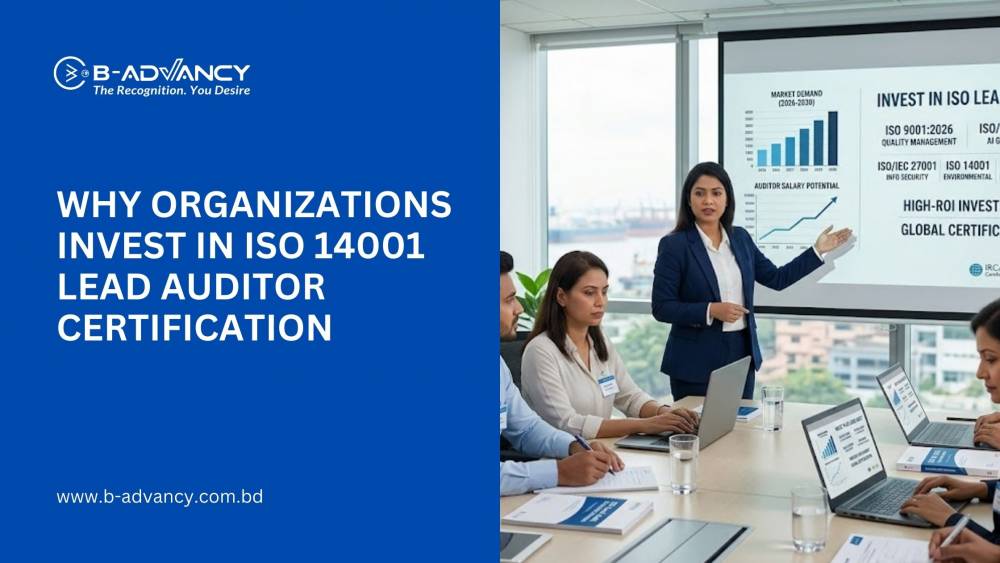
To ensure compliance, continuous improvement, and credible implementation of environmental management practices, many organizations invest in ISO 14001 Lead Auditor Certification. But why is this certification so valuable, and how does it benefit businesses?
Understanding ISO 14001 Lead Auditor Certification
ISO 14001 Lead Auditor Certification is a professional qualification that equips individuals with the knowledge and skills to plan, execute, and report audits of an organization’s Environmental Management System. Unlike basic environmental training, this certification allows professionals to:
-
Conduct audits according to ISO 14001:2015 standards
-
Identify gaps, risks, and opportunities for improvement
-
Recommend corrective and preventive actions
-
Ensure compliance with environmental laws and regulations
By having certified lead auditors, organizations can systematically evaluate their EMS performance and maintain high standards of environmental responsibility.
Key Reasons Organizations Invest in ISO 14001 Lead Auditor Certification
1. Ensures Regulatory Compliance
Environmental regulations are becoming increasingly strict worldwide. ISO 14001 Lead Auditors are trained to assess whether an organization complies with local, national, and international environmental laws. By investing in certified auditors, companies reduce the risk of non-compliance penalties, legal actions, and reputational damage.
2. Strengthens Environmental Responsibility
Lead auditors help organizations implement structured processes to monitor and manage environmental impacts. This includes waste reduction, energy efficiency, pollution prevention, and resource optimization. Organizations with certified auditors demonstrate a strong commitment to sustainability, which resonates positively with stakeholders, clients, and investors.
3. Promotes Continuous Improvement
ISO 14001 emphasizes the principle of continual improvement. Lead auditors identify gaps and inefficiencies in the EMS and recommend actionable measures to enhance performance. This ongoing process ensures organizations are not just compliant but continuously improving their environmental footprint.
4. Boosts Organizational Reputation
Sustainability is a key factor in modern business reputation. Companies audited by certified ISO 14001 Lead Auditors can showcase verified environmental practices to clients, partners, and regulatory authorities. This transparency builds trust, strengthens brand image, and can even influence purchasing decisions positively.
5. Reduces Operational Costs
Effective environmental management is not only about compliance; it also improves operational efficiency. Lead auditors help identify areas where energy, water, or material usage can be reduced, leading to significant cost savings. This makes environmental responsibility a win-win, benefiting both the planet and the bottom line.
6. Supports Risk Management
Environmental risks such as pollution, waste management issues, or resource scarcity can affect business continuity. Certified lead auditors assess potential environmental risks, enabling proactive mitigation strategies. By managing these risks effectively, organizations protect themselves from operational disruptions and reputational damage.
7. Enhances Employee Engagement
ISO 14001 audits encourage employee participation in environmental initiatives. When staff understand the organization’s commitment to sustainability and see measurable improvements, engagement and morale increase. Employees are more likely to contribute ideas and adopt eco-friendly practices in daily operations.
8. Aligns With Global Sustainability Goals
Many organizations are aligning their operations with global initiatives such as the United Nations Sustainable Development Goals (SDGs). ISO 14001 Lead Auditor Certification ensures audits focus on environmental performance metrics that contribute to global sustainability efforts, enhancing corporate social responsibility.
The Role of Training in ISO 14001 Lead Auditor Certification
Investing in Lead Auditor certification involves more than attending a course; it is about building competency to conduct effective audits. Training covers:
-
Understanding ISO 14001:2015 clauses and requirements
-
Audit planning, execution, and reporting
Identifying environmental risks and compliance gaps -
Corrective and preventive actions
-
Effective communication and stakeholder management
With this training, professionals can execute audits objectively, maintain consistency, and help organizations achieve measurable environmental improvements.
Why Choose B-ADVANCY Certification Limited
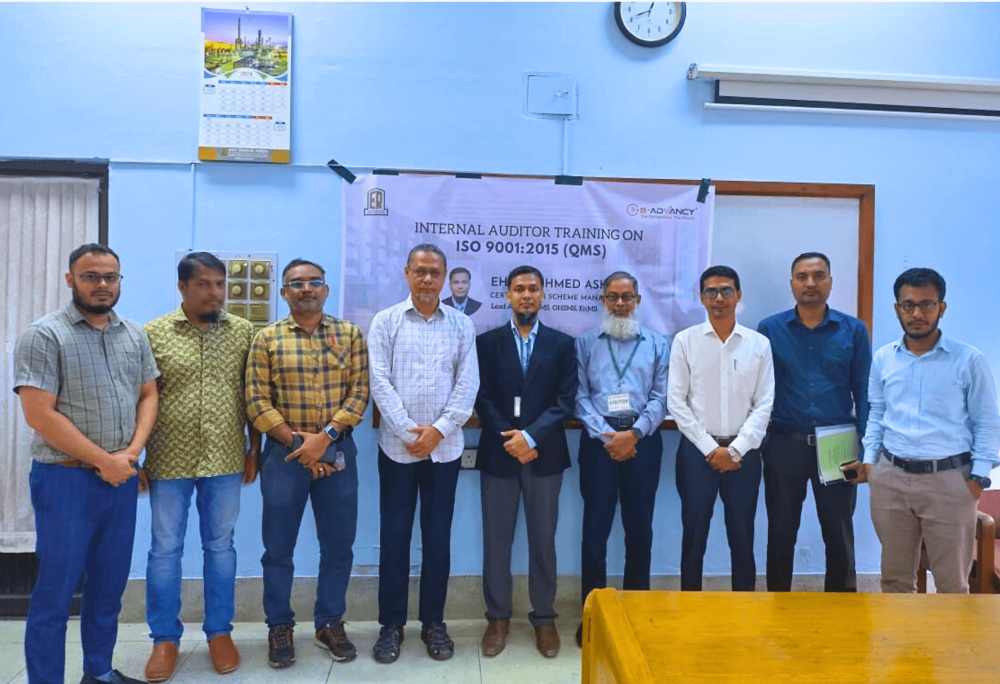
At B-ADVANCY Certification Limited, we provide comprehensive ISO 14001 Lead Auditor training tailored for professionals seeking to make a tangible impact in environmental management. Our programs combine theoretical knowledge with practical exercises, case studies, and audit simulations. Participants gain hands-on experience to confidently conduct audits and drive sustainable practices in their organizations.
Contact us today to enroll in our ISO 14001 Lead Auditor Certification program and strengthen your organization’s environmental management capabilities.
Conclusion
ISO 14001 Lead Auditor Certification is a strategic investment for organizations aiming to improve environmental performance, ensure compliance, and strengthen sustainability credentials. Certified lead auditors play a crucial role in identifying risks, recommending improvements, and fostering a culture of environmental responsibility.
21.jpg)